

Introduction & Background
Homes are more than just walls and a roof. They reflect our lifestyles, values, and aspirations, shaping how we live, work, and dream. From the simplest huts to the most sophisticated skyscrapers, the concept of home has evolved dramatically over centuries. Today, the spectrum of home types is broader than ever. Whether you seek solitude in a mountain cottage, energy in a bustling urban apartment, or adventure in a tiny mobile home, there is a dwelling designed for every preference and purpose. Understanding this variety helps us make informed choices about where and how we want to live, especially as global trends shift toward sustainability, flexibility, and personalization.
Concept & Overview
The idea of a home transcends mere shelter. It is a sanctuary, a statement, and sometimes even a status symbol. At its core, a home provides safety, comfort, and identity. However, the way we define and design homes has expanded far beyond traditional houses. Modern living embraces diversity in form, function, and location. Some homes prioritize space and luxury, while others focus on minimalism and mobility. The spectrum ranges from underground dwellings and treehouses to high-rise penthouses and floating homes. Each type caters to different needs, budgets, and environmental considerations. This evolution is driven by technological advances, cultural shifts, and a growing desire for homes that align with personal and planetary well-being.
Key Features & Highlights
- Traditional Houses: Standalone structures typically made of brick, wood, or stone. They offer privacy, space, and a sense of permanence, ideal for families seeking stability and community.
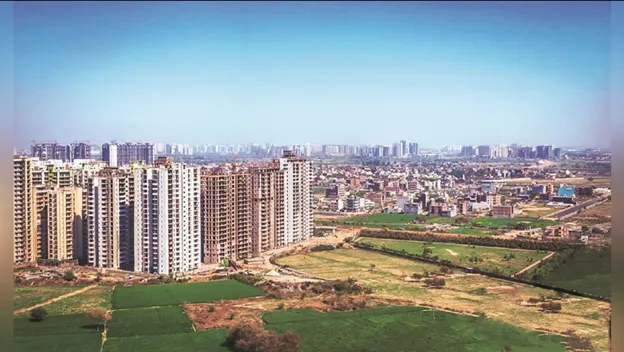
- Apartments and Condominiums: Multi-unit buildings in urban areas. They provide convenience, amenities like gyms and pools, and proximity to city life, though space is often limited.
- Tiny Homes: Small, efficient dwellings often under 400 square feet. They emphasize sustainability, affordability, and simplicity, appealing to minimalists and eco-conscious individuals.
- Cottages and Cabins: Rustic retreats, often found in rural or coastal areas. They evoke coziness and connection to nature, perfect for weekend escapes or full-time rural living.
- Co-Housing Communities: Shared living spaces designed for collaboration and community. Residents enjoy private homes alongside communal kitchens, gardens, and social areas, fostering strong bonds.
- High-Rise Buildings and Penthouses: Luxurious, vertical living spaces in city centers. They offer panoramic views, top-tier amenities, and prestige, but come with high costs and maintenance.
- Mobile Homes and RVs: Homes on wheels designed for travel and flexibility. They allow residents to explore different locations while maintaining the comforts of home, ideal for digital nomads.
- Underground and Earth-Sheltered Homes: Homes built into hills or covered with soil. They provide natural insulation, energy efficiency, and protection from extreme weather, though ventilation and lighting can be challenging.
- Treehouses and Elevated Homes: Elevated structures that blend with natural surroundings. They offer a unique living experience and a strong connection to the environment, often used as vacation homes or artist studios.
- Floating Homes and Houseboats: Homes designed to float on water. They provide a serene, unconventional lifestyle, often found in canals, lakes, or coastal areas, with access to water-based activities.
Frequently Asked Questions / Pros & Cons
What are the main advantages of living in a tiny home?
Tiny homes offer lower costs for construction, maintenance, and utilities, making them an affordable option. They encourage a minimalist lifestyle, reducing clutter and environmental impact. Many tiny homeowners enjoy greater mobility and the freedom to relocate easily. However, space limitations can be challenging for families or those with extensive belongings.
Are high-rise apartments suitable for families with children?
High-rise apartments can be suitable for families, depending on the building’s amenities and location. Many modern high-rises offer family-friendly features such as playgrounds, daycare centers, and safe outdoor spaces. However, space may still be limited, and some families prefer the privacy and outdoor access of a traditional house.
What are the environmental benefits of earth-sheltered homes?
Earth-sheltered homes provide excellent natural insulation, reducing heating and cooling costs. They have a smaller carbon footprint due to lower energy consumption and often use sustainable materials. Additionally, their design minimizes exposure to extreme weather, enhancing durability and energy efficiency.
Is co-housing a good option for introverts?
Co-housing can be a great fit for introverts if the community aligns with their preferences. While co-housing emphasizes community and shared spaces, residents still have private living areas. The level of interaction can be adjusted based on personal comfort, making it possible to enjoy solitude while benefiting from a supportive network.
How do houseboats handle utilities like water and electricity?
Houseboats typically rely on a combination of on-board systems and marina services for utilities. Water is often sourced from shore or stored in tanks, while electricity may come from generators, solar panels, or marina hookups. Waste management is handled through onboard tanks or direct connections to sewer systems at designated docks.
Practical Guidance & Solutions
Choosing the right type of home starts with self-reflection. Ask yourself what you value most: space, location, cost, sustainability, or flexibility. If you prioritize affordability and simplicity, a tiny home or co-housing community might be ideal. For urban professionals, a high-rise apartment with modern amenities could offer the best balance of convenience and luxury. Families may lean toward traditional houses or suburban apartments with playgrounds and schools nearby.
Consider your lifestyle. Do you travel often? A mobile home or RV could be perfect. Are you passionate about nature? A cottage or treehouse might be your dream home. Think about long-term goals as well. Some homes, like earth-sheltered structures, are built to last for generations, while others, like tiny homes, offer freedom to change locations.
Budget plays a crucial role. While high-rise penthouses and luxury homes come with high price tags, alternatives like co-housing or sustainable tiny homes can provide quality living at a fraction of the cost. Research local regulations too, especially for unconventional homes like houseboats or underground dwellings, which may have zoning restrictions.
Finally, visit different types of homes in person. Walk through a cozy cottage, tour a tiny home community, or explore a high-rise with a view. Real-world experience often clarifies what truly suits your needs and aspirations.
Conclusion
The world of homes is as diverse as the people who inhabit them. From cozy caves carved into mountainsides to sleek, sky-high havens that touch the clouds, each type of dwelling offers unique benefits and challenges. The key to finding the perfect home lies in aligning your personal values, lifestyle, and goals with the right architectural form. Whether you crave the simplicity of a tiny home, the grandeur of a penthouse, or the adventure of a houseboat, the ideal sanctuary awaits. As our world continues to change, so too will our homes, adapting to our needs and reflecting the endless possibilities of modern living. Embrace the journey of exploration, and let your home become a true extension of who you are.



More Stories
Step Into Style: A Whirlwind Tour of the World’s Most Iconic House Styles
Beyond the Brick and Mortar: A Peek Into the World’s Most Innovative Home Types
Step into the timeless charm of these 7 iconic house styles that define home design today