
For most homeowners, the plumbing system is a silent network of pipes and fixtures that only receives attention when something goes wrong. Whether it is a burst pipe in the middle of the night or a slow leak that eventually rots a kitchen cabinet, plumbing failures are almost always expensive, stressful, and disruptive. While many view plumbing as a reactive service, the most successful property owners treat it as a proactive one. Establishing a consistent schedule for plumbing maintenance is the most effective way to protect your home’s value, ensure the health of your family, and save thousands of dollars in emergency repairs over the long term.
The Standard Recommendation: The Annual Check-Up
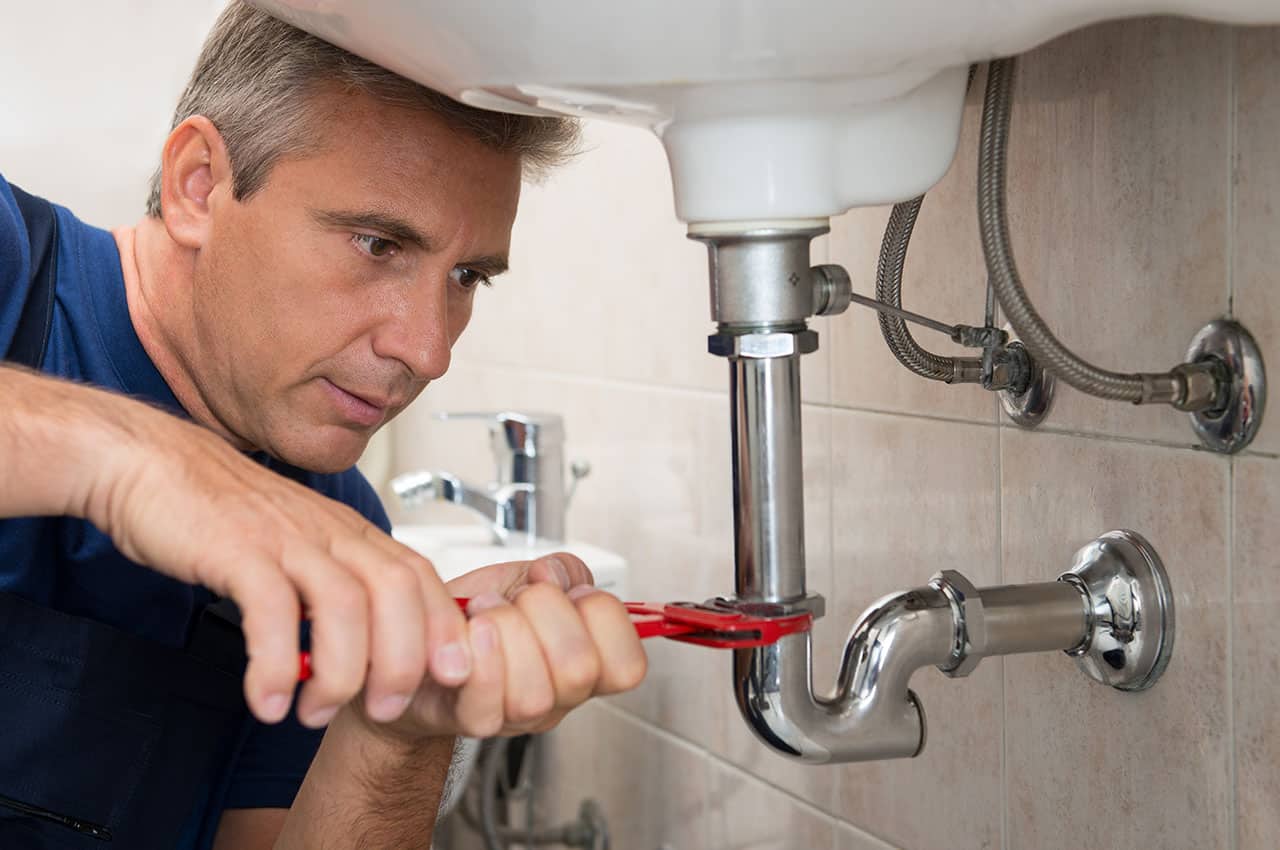
As a general rule for a standard single-family home, a comprehensive plumbing inspection should be scheduled once every year. This annual visit serves as a wellness check for your home’s entire water and waste system. During a professional inspection, a plumber san fernando ca will look at the obvious components like faucets and toilets, but they also dive into the hidden areas that homeowners rarely see, such as the condition of the pipes in the crawlspace or basement and the integrity of the water heater.
The reason an annual schedule is so effective is that it aligns with the natural wear and tear of mechanical parts. Over twelve months, gaskets can dry out, mineral deposits can begin to restrict flow in showerheads, and small leaks can develop at the joints of your drainage pipes. By catching these issues every year, you prevent a minor drip from turning into a major flood. An annual visit also allows for the flushing of the water heater, which removes sediment buildup that can otherwise corrode the tank and reduce its heating efficiency.
Factors That Require More Frequent Maintenance
While once a year is the baseline, certain conditions may require you to see your plumber more often. One of the primary factors is the age of the home. Properties with plumbing systems older than forty years often utilize materials like galvanized steel or cast iron, which are prone to internal corrosion and tree root intrusion. For older homes, a bi-annual inspection is often recommended to monitor the rate of decay and plan for strategic repiping before a catastrophic failure occurs.
The quality of your water also plays a significant role in maintenance frequency. If you live in an area with hard water, the high mineral content will cause scale to build up inside your pipes and appliances much faster than in areas with soft water. This scale restricts water flow and puts extra pressure on your valves and seals. If you notice white spots on your dishes or a film on your shower doors, your plumbing is likely working harder than it should. In these cases, a check-up every six months can ensure that mineral deposits are not causing permanent damage to your fixtures.
Seasonal Considerations and Holiday Prep
Strategic homeowners often time their plumbing maintenance around the changing of the seasons. Scheduling a visit in the late autumn is particularly wise for those living in colder climates. This allows a professional to ensure that outdoor spigots are properly winterized and that pipes in unheated areas of the home are sufficiently insulated to prevent freezing. A pre-winter check can be the difference between a cozy holiday season and a basement filled with ice and water.
Similarly, if you anticipate hosting large groups of guests during the holidays, a maintenance visit a few weeks prior can be a lifesaver. Increased occupancy puts a sudden and intense strain on the sewer line and the water heater. A plumber can perform a quick drain cleaning or a camera inspection of the main sewer line to ensure that an influx of waste and paper won’t lead to a backup while your house is full of visitors.
Conclusion
The frequency of plumbing maintenance is not a one-size-fits-all metric, but rather a flexible strategy based on the age of your home, the chemistry of your water, and your local climate. While a yearly inspection is the gold standard for most, being mindful of the unique stressors on your system can help you decide if more frequent visits are necessary. By shifting your mindset from emergency response to consistent prevention, you gain peace of mind and structural security.
In the end, the cost of a routine maintenance visit is a small fraction of the cost of a single major pipe burst or a water heater replacement. Investing in the longevity of your plumbing ensures that your home remains a safe, dry, and functional environment for years to come. Routine care is the simplest way to ensure that when you turn on the tap, the system works exactly as intended, without any unpleasant surprises lurking behind the walls.



More Stories
5 Hidden Home Improvement Hacks That Save You 100s (Without Breaking the Bank)
5 Genius Bathroom Upgrades That Transform Your Space in a Weekend
5 Smart Home Upgrades That Boost Value Without Breaking the Bank